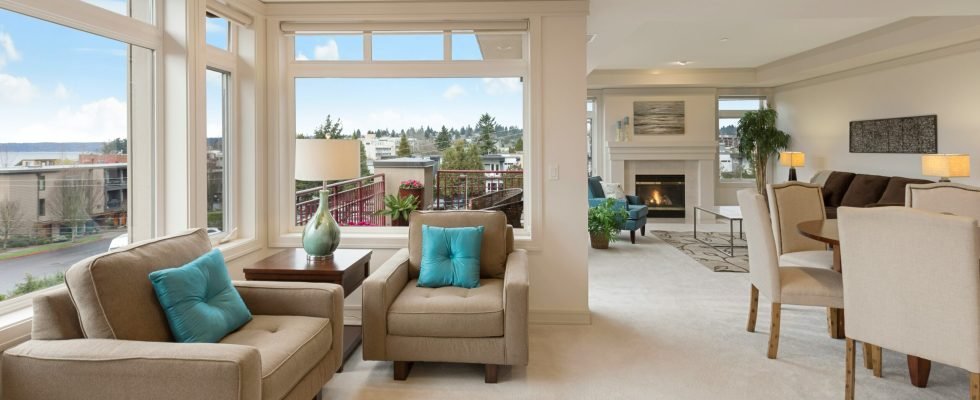
The housing landscape in Los Angeles has reached a tipping point in 2026. With the city’s vacancy rate at historic lows and rental prices continuing to climb, homeowners are increasingly looking at their garages not as storage for old boxes, but as untapped goldmines. Converting a garage into an Accessory Dwelling Unit (ADU) remains the most cost-effective way to add livable square footage in LA, but as of January 2026, the “rules of the game” have evolved.
Whether you are aiming to house a family member or secure a $2,500+ monthly rental check, navigating the Los Angeles Department of Building and Safety (LADBS) requirements is your first hurdle. Here is everything you need to know about the 2026 requirements for a legal garage conversion.
The 2026 Legal Landscape: SB 543 and AB 2533
California state laws now heavily favor the homeowner. Two major pieces of legislation define the 2026 conversion process:
SB 543 (The “Shot Clock” Law): This law mandates that LADBS must approve or deny your complete ADU application within 60 days. Furthermore, the city now has only 15 business days to perform a “completeness check” once you submit your plans.
AB 2533 (The Legalization Path): If you have an unpermitted garage conversion built before January 1, 2020, this law prevents the city from forcing a demolition. Instead, they must work with you to bring the unit up to basic health and safety standards rather than full 2026 new-construction codes.
1. Structural and Foundation Requirements
A garage was designed to house a car, not a human. To change its “occupancy” status, you must address the bones of the structure.
The Slab and Moisture Barrier
Standard garage floors are typically poured without a vapor barrier. To meet 2026 residential codes, you must prevent moisture from seeping through the concrete and ruining your new flooring. Homeowners usually achieve this by applying a liquid-applied vapor retarder or pouring a thin “topping slab” over a new poly-membrane.
Seismic Retrofitting
Los Angeles is earthquake country. If you are adding a second story above the garage or if the existing walls are “soft” (large openings like the old garage door), you may be required to install shear walls or a steel moment frame. In 2026, LADBS is particularly strict about the connection between the wooden framing and the concrete foundation; expect to install modern anchor bolts and hold-downs.
2. The “Habitable Space” Checklist
To be considered a legal dwelling, the space must meet these minimum standards:
Ceiling Height: You generally need a finished height of at least 7 feet for habitable rooms and hallways. If your garage has low-hanging rafters, you may need to “vault” the ceiling or drop the floor—both of which add significant cost.
Egress Windows: Every sleeping area must have at least one “emergency escape and rescue opening.” This window must provide a clear opening of at least 5.7 square feet and be low enough to the ground for a person to climb through.
Natural Light and Ventilation: Building codes require that habitable rooms have a window area equal to at least 8% of the floor area for light and 4% for ventilation.
3. Utility Connections and Energy (Title 24)
California’s Title 24 energy standards are among the strictest in the nation. In 2026, garage conversions must be highly insulated.
Insulation: You will likely need R-15 to R-21 insulation in the walls and R-30 to R-49 in the ceiling.
HVAC: The unit must have a permanent heating system. Most LA homeowners opt for a Ductless Mini-Split system, as it provides both high-efficiency heating and cooling without requiring bulky ductwork.
Plumbing and Sewer: You must trench through your yard to connect the ADU’s bathroom and kitchen to the main sewer lateral. Note that in 2026, the city cannot require a separate water meter for the ADU, though many owners choose to install a “sub-meter” to track tenant usage.
4. The 2026 Parking & Setback Exemptions
One of the biggest wins for LA homeowners is the relaxation of zoning rules:
No Replacement Parking: If you convert your garage, you are not required to replace the parking spaces you lost. You can leave your cars on the driveway or the street.
Zero-Foot Setbacks: If you are converting an existing, legally built garage, you can keep the walls exactly where they are—even if they sit directly on the property line. (New additions to the garage, however, usually require a 4-foot setback).
5. The Fast-Track: LADBS Express Permits
If your project is simple, you might bypass the months-long “Plan Check” line. To qualify for an Express Permit in 2026:
There must be no change to the existing building footprint.
The roof pitch and structural trusses must remain unchanged.
The property must be on a flat lot (not in a designated “Hillside Area”).
Estimated 2026 Costs for Garage Conversions
While every project varies, a standard 400-square-foot (2-car garage) conversion in Los Angeles currently averages:
| Category | Estimated Cost (2026) |
| Permits & City Fees | $3,500 – $6,000 |
| Architectural Plans | $4,000 – $8,000 |
| Construction (Labor/Materials) | $90,000 – $130,000 |
| Total Turnkey Cost | $100,000 – $150,000 |
Your Path to Approval
Feasibility Study: Hire a professional to check your foundation and sewer depth.
Design: Choose between a custom architect or a Pre-Approved Standard Plan to save time.
Submission: Ensure your package includes Title 24 calcs and structural engineering.
Construction: Once the “Ready to Issue” (RTI) permit is in hand, you can break ground.
Converting your garage is a complex puzzle, but the ROI in Los Angeles is undeniable. With the 2026 streamlined laws, the “City of Angels” has finally made it possible for homeowners to be part of the housing solution.